

A third DWI offense in North Carolina is one of the most serious impaired driving charges the state prosecutes. Under N.C.G.S. § 20-138.5, a third conviction within 10 years of two prior impaired driving convictions constitutes Habitual Impaired Driving, a Class F felony carrying a mandatory minimum of 12 months in prison with no option for probation or suspension. Even when the prior convictions fall outside the 10-year window, a third DWI is sentenced at the highest misdemeanor level under the state’s structured sentencing framework. If you are facing a third DWI charge in Carteret County, here is what the law says and what your options are.
At this moment, the stakes couldn’t be higher. What happens next could define much of your future. Fortunately, with a skilled DWI attorney, you can take control of your situation and work toward the best possible outcome.
Contact us at 252-728-1373 to discuss your case.
Key Takeaways
- A third DWI in North Carolina triggers the state’s Habitual Impaired Driving statute if both prior convictions occurred within 10 years, elevating the charge to a Class F felony with a mandatory prison sentence.
- North Carolina uses two lookback periods for third DWI cases: 10 years for the Habitual Impaired Driving felony classification under N.C.G.S. § 20-138.5, and seven years for the Aggravated Level One misdemeanor sentencing tier under N.C.G.S. § 20-179.
- Penalties can include 12 to 36 months in prison, fines up to $10,000, a minimum five-year license revocation, mandatory ignition interlock installation, and court-ordered substance abuse treatment.
- Permanent license revocation is a real possibility for a third DWI within seven years, and reinstatement requires a separate process through the NC Division of Motor Vehicles.
- Defenses exist even for repeat offenders, including challenging the traffic stop, the chemical test results, or the prior convictions used to trigger the habitual classification.
- An experienced North Carolina DWI attorney is essential to protecting your rights, challenging the evidence, and working toward the best available outcome in Carteret County Superior Court.
Jump to a Topic
North Carolina’s DWI Laws
North Carolina prosecutes DWI offenses under N.C.G.S. § 20-138.1, defining impaired driving as operating a vehicle with a blood alcohol concentration (BAC) of 0.08% or higher, or while noticeably impaired by alcohol, drugs, or a combination. For repeat offenders, each prior conviction raises the sentencing level and introduces grossly aggravating factors that judges are required to weigh under N.C.G.S. § 20-179.
North Carolina enforces strict DWI laws to deter individuals from driving under the influence, reduce the risk of accidents, and protect the public’s well-being. Various factors can increase the level of the charge and the punishments, such as previous DWI convictions within the last 10 years.
The state uses a sentencing structure that weighs mitigating, aggravating, and grossly aggravating factors to determine the severity of your penalties. This method ensures that each case is evaluated individually—but it also means more severe treatment for repeated offenses.
Is a Third DWI a Felony?
Many people wonder if a third DWI is a felony. A DWI third offense in North Carolina is not automatically a felony. However, if one of your prior convictions was within the last 10 years and involved certain aggravating factors—such as multiple injuries or property damage—you may face felony charges under North Carolina’s habitual DWI laws.
Receive a third DWI within 10 years and be convicted of Habitual Impaired Driving. This felony carries a mandatory one-year prison sentence that cannot be suspended or reduced.
In North Carolina, a third DWI is a felony if the prior two convictions occurred within 10 years. If the previous offenses fall outside the 10-year lookback period, the third DWI is treated as a misdemeanor.
Even without aggravating factors, a DWI third offense can result in severe penalties.
Penalties for a Third
North Carolina’s penalties for a third DWI offense reflect the gravity of repeat offenses and include the following:
- Jail time. A third DWI within seven years is considered an aggravated level one, resulting in 12-36 months in prison.
- Fines. These can range from $2,000 to $10,000, depending on the severity of the offense.
- License revocation. Your driver’s license may be revoked for a minimum of five years. However, a third offense within seven years often results in permanent revocation.
- Ignition interlock device. You’ll need to install an ignition interlock device to regain driving privileges—there’s no getting around it.
- Substance abuse treatment. Completing a court-ordered treatment program is mandatory and serves as a condition for license reinstatement.
Penalties for a third DWI increase significantly if previous offenses had aggravating factors like speeding, reckless driving, or causing an accident with injuries.
These penalties have far-reaching effects beyond the immediate legal consequences. They often affect aspects of your life, such as employment opportunities, personal relationships, and your long-term mental well-being.
With so much at stake, you need a strategic legal defense so the repercussions of a third DWI do not spiral out of control.
Frequently Asked Questions:
Can a third DWI be plea bargained down in North Carolina?
A third DWI in North Carolina can sometimes be resolved through negotiation, but the options narrow significantly compared to a first offense. If the charge qualifies as Habitual Impaired Driving, prosecutors and judges have limited flexibility because the mandatory minimum sentence is fixed by statute. However, a defense attorney can challenge the prior convictions used to trigger the habitual status, attack the stop or arrest procedure, or contest the chemical test results. A successful challenge to any one prior conviction can change the sentencing level entirely.
Will I lose my driver’s license permanently for a third DWI in NC?
In most cases, yes. A third DWI conviction in North Carolina where at least one prior conviction occurred within five years of the current offense date triggers a mandatory permanent license revocation by the DMV. However, “permanent” under North Carolina law does not mean the door is completely closed. After serving at least three years of the revocation period, you may petition the DMV for a restoration hearing. At that hearing, the DMV reviews your record, your behavior since the revocation, and any treatment you have completed. Reinstatement is not guaranteed and is decided case by case, but the option exists. An attorney can help you understand whether you are eligible and how to prepare a petition that gives you the best chance of getting behind the wheel again.
What defenses apply to a third DWI charge in North Carolina?
Defenses to a third DWI charge include challenging the lawfulness of the traffic stop, contesting the reliability of the breathalyzer or blood test used to measure BAC, questioning whether the arresting officer followed proper procedures under NCGS § 20-16.3, and examining whether the prior convictions used to elevate the charge were obtained properly. In cases where the habitual status depends on prior convictions, successfully vacating or excluding one prior can reduce the charge from a Class F felony to a misdemeanor level offense.
What Is the Difference Between a Grossly Aggravating and an Aggravating Factor in a North Carolina DWI Case?
These two categories determine your sentencing level and they are not the same thing. Grossly aggravating factors are the most serious circumstances under North Carolina DWI law. They include a prior DWI conviction within the past seven years, driving on a license that was already revoked for impaired driving, seriously injuring another person while impaired, and having a child under 18 in the vehicle at the time. Critically, each prior DWI conviction within the seven-year window counts as a separate grossly aggravating factor. So if you have two prior convictions within seven years, a judge is already looking at two grossly aggravating factors before the current charge is even weighed. Two grossly aggravating factors triggers Level One sentencing. Three or more triggers Aggravated Level One, which carries a mandatory minimum of 12 months in prison and a maximum of 36 months with no eligibility for parole. Aggravating factors, by contrast, are less severe circumstances such as a BAC of 0.15 or higher, reckless driving, or a prior license revocation unrelated to impaired driving. They influence sentencing only when no grossly aggravating factors are present.
Can Anything Reduce or Replace the Mandatory Jail Time on a Third DWI in North Carolina?
In some circumstances, yes. North Carolina law allows for a continuous alcohol monitoring (CAM) system as an alternative to active jail time in certain DWI sentencing situations. A CAM device, worn on the ankle, monitors alcohol consumption around the clock and reports the data to the court. Under specific sentencing levels, a judge may substitute a period of monitored abstinence through a CAM device in place of some or all of the required active jail time, combined with other probation conditions. This option is not available in every case and does not apply at the Aggravated Level One, where a minimum of 120 days of active imprisonment is required regardless. Whether a CAM arrangement is possible in your case depends on the sentencing level the judge assigns, which is why having an attorney who understands the full range of available options before your sentencing hearing matters.
What Are the Collateral Consequences of a Habitual DWI Conviction Beyond Jail and Fines?
A habitual DWI conviction as a Class F felony in North Carolina carries consequences that extend well beyond the courtroom. If you hold a professional license, such as a nursing license, contractor license, or real estate license, the licensing board may take action against you upon learning of a felony conviction. If you are not a United States citizen, a felony conviction can trigger immigration consequences including deportation proceedings or denial of naturalization. If you are involved in a child custody matter, a felony conviction may be used against you in family court when a judge evaluates your fitness as a parent. Vehicle forfeiture is also possible if you were driving on a suspended license at the time of the arrest. Each of these consequences has its own timeline and process, and an attorney can help you understand what steps, if any, can be taken to limit their impact on your life.
How Tetterton Can Help
Dealing with a third DWI offense is challenging, but you don’t have to do it alone. At Tetterton Law Firm, PLLC, we understand the challenges you’re up against and are dedicated to fighting for your rights, freedom, and future. We believe that no one should be defined solely by their past mistakes.
Our team brings compassion and experience to every case, working tirelessly to uncover overlooked evidence or procedural missteps that could make a difference in your outcome. We’ll carefully review the evidence, challenge procedural errors, and build a personalized defense strategy tailored to your case.
Whether negotiating reduced charges or aggressively defending you in court, our priority is helping you move forward. Contact us today to schedule a confidential consultation.
Resources:
- DWI Statutes. NC Department of Health and Human Services, link
- N.C.G. S. § 20-17.8, link
- Driving and Alcohol. NC Department of Public Safety, link
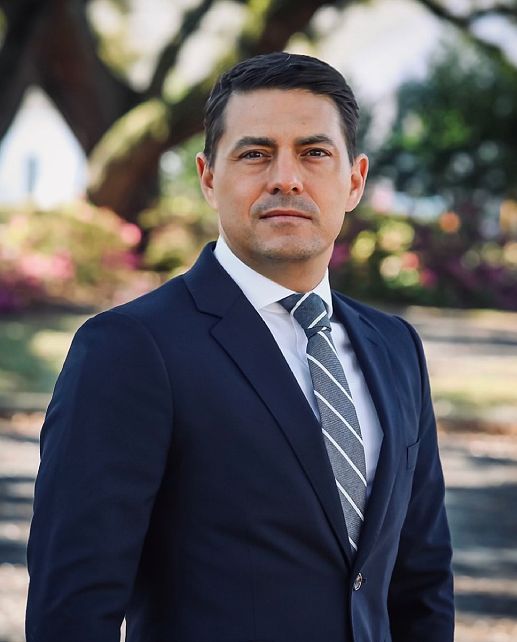
Joshua Hilton Tetterton is a North Carolina-licensed criminal defense and traffic attorney at Tetterton Law Firm, PLLC in Beaufort, NC. Over the past 17 years, he has represented clients in thousands of criminal and traffic matters, including DWI/DUI, drug offenses, assault charges, traffic violations, and more. He earned his Juris Doctor from Campbell University School of Law in 2008 and gained hands-on courtroom experience interning at the Harnett County District Attorney’s Office before working at a private criminal defense firm in Wake County. A Carteret County native with a deep understanding of North Carolina’s state and local legal processes, Attorney Tetterton has served his community as a board member of the Carteret County Juvenile Crime Prevention Council and a volunteer with the Beaufort Historical Association.

 Loading...